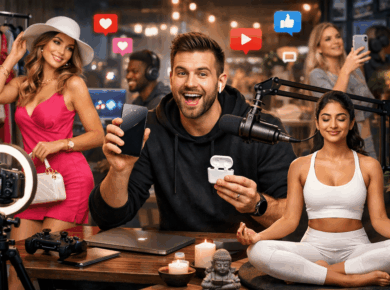

For nearly eight decades, the Cannes Film Festival has stood as the undisputed pinnacle of global cinema. Since its inaugural event in 1946, the festival has evolved from a prestigious gathering of filmmakers into a massive cultural phenomenon. Today, it is no longer just about the red carpet and the Palme d’Or; it has become a high-stakes arena for brands and creators to intersect. As the digital landscape shifts, Cannes has transformed into a vital hub for influencer marketing, where the worlds of high-end cinema and social media storytelling collide.
The Evolution of Cannes: From Silver Screen to Social Feed
The Cannes Film Festival has always been synonymous with glamour, exclusivity, and artistic prestige. However, the rise of the creator economy has fundamentally changed how the festival is consumed. In the past, the event was strictly the domain of traditional media—journalists, critics, and industry insiders. Today, the festival is a 24/7 content engine. Creators now play a pivotal role in democratizing the experience, bringing the glitz of the French Riviera to millions of followers who would otherwise never see the inside of the Palais des Festivals.
Brands have recognized this shift, moving away from traditional press junkets toward creator-led campaigns. By partnering with influencers, brands can tap into authentic, real-time storytelling that feels far more personal than a standard press release. This transition represents a broader trend in marketing: the move toward human-centric narratives that prioritize engagement and community over static advertising.
Strategic Integration: How Brands Leverage Creators at Cannes
Successful creator marketing at Cannes requires more than just flying an influencer to France. It demands a sophisticated strategy that aligns the creator’s personal brand with the prestige of the festival. Brands that win at Cannes are those that treat creators as partners rather than just walking billboards. This involves deep integration, such as behind-the-scenes access, exclusive interviews with talent, and immersive experiences that allow the creator to tell a cohesive story.
To maximize impact, brands should focus on the following pillars:
- Authentic Storytelling: Allow creators the creative freedom to document the festival through their unique lens, ensuring the content feels native to their platform.
- Exclusive Access: Provide creators with unique opportunities, such as red carpet access or private events, which provide the “insider” value their audiences crave.
- Multi-Platform Distribution: Ensure that content is optimized for various formats, from long-form YouTube vlogs to short-form, high-energy TikToks and Instagram Reels.
- Strategic Partnerships: Align with creators whose values and aesthetic match the luxury and artistic integrity of the festival.
Navigating the Challenges of High-Profile Events
While the potential for reach is immense, the Cannes Film Festival presents unique challenges for creator marketing. The environment is fast-paced, highly competitive, and strictly regulated. Creators must navigate complex accreditation processes, dress codes, and the pressure to produce high-quality content in real-time. Brands must be prepared to support their partners with the necessary resources, including professional production teams, clear brand guidelines, and a flexible itinerary that accounts for the unpredictable nature of live events.
Furthermore, the audience at Cannes is discerning. Content that feels overly commercial or forced will quickly lose traction. The most effective campaigns are those that lean into the “Cannes experience”—the fashion, the parties, the film premieres, and the spontaneous moments that define the festival. By focusing on the narrative arc of the trip rather than just the product placement, brands can build genuine affinity with their target demographic.
The Future of Creator Marketing in the Film Industry
As we look toward the future, the integration of creators into major film festivals will only deepen. We are likely to see more sophisticated uses of augmented reality, live-streamed interactive events, and deeper collaborations between film studios and digital creators. The goal remains the same: to bridge the gap between the elite world of cinema and the global digital community. For brands, the Cannes Film Festival is no longer just a place to watch movies; it is a place to define the future of digital influence.
Frequently Asked Questions
Why is Cannes important for influencer marketing?
Cannes offers a unique blend of luxury, prestige, and global visibility. It allows brands to associate themselves with high-end cinema while leveraging the massive reach and engagement of top-tier creators.
How do brands choose the right creators for Cannes?
Brands typically look for creators who have a strong aesthetic, a highly engaged audience, and a history of producing high-quality, professional content that aligns with the luxury nature of the festival.
What is the biggest mistake brands make at Cannes?
The biggest mistake is treating creators like traditional media. Creators need creative autonomy and unique access to produce content that resonates with their specific audience; trying to force a rigid, corporate script often results in low engagement.
Is Cannes only for fashion and beauty influencers?
While fashion and beauty are prominent, there is a growing space for film critics, lifestyle creators, and tech influencers who can provide unique perspectives on the festival’s events and technological advancements in filmmaking.


 InfluencerBlogger