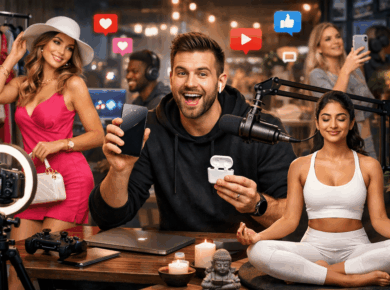
As we approach the end of summer, brands are preparing for the back-to-school season and the arrival of fall. This period signifies not only a shift in fashion and seasonal activities but also a significant evolution in the influencer marketing landscape. With rapid digital advancements, marketers need to adapt quickly to stay ahead of the curve. In 2026, several key trends are set to shape influencer marketing strategies.
Key Influencer Marketing Trends for Fall 2026
Understanding the latest trends in influencer marketing is crucial for brands aiming to maximize their reach and engagement. Here are some of the most impactful trends to watch:
1. Authenticity Over Perfection
Consumers are increasingly drawn to authenticity. Influencers who share genuine experiences and relatable content are more likely to resonate with audiences. Brands should focus on:
- Partnering with micro-influencers who have a loyal following.
- Encouraging influencers to showcase real-life scenarios rather than overly polished content.
2. Video Content Dominance
Video continues to reign supreme in digital marketing. In 2026, brands should prioritize:
- Short-form videos on platforms like TikTok and Instagram Reels.
- Live streaming events to engage audiences in real-time.
Statistics show that video content can increase engagement rates by up to 120% compared to static posts.
3. Sustainability and Social Responsibility
Today’s consumers are more environmentally conscious. Influencers who advocate for sustainability can help brands connect with eco-friendly audiences. Strategies include:
- Highlighting sustainable products and practices.
- Collaborating with influencers who prioritize social causes.
4. The Rise of AI in Influencer Marketing
Artificial intelligence is transforming how brands identify and engage with influencers. In 2026, expect to see:
- AI tools that analyze audience demographics and engagement metrics.
- Automated content creation tailored to specific audiences.
How to Implement These Trends
To effectively leverage these trends, brands should consider the following steps:
- Conduct thorough research to identify the right influencers who align with brand values.
- Develop a content strategy that incorporates video and authentic storytelling.
- Monitor performance metrics to refine influencer partnerships continuously.
Pros and Cons of Influencer Marketing
While influencer marketing offers numerous advantages, it also comes with challenges. Here’s a breakdown:
Advantages
- Increased brand visibility and awareness.
- Access to niche audiences through targeted influencer partnerships.
- Enhanced credibility through trusted voices in the community.
Disadvantages
- Potential for misalignment between brand values and influencer actions.
- Risk of influencer scandals affecting brand reputation.
- High competition for top influencers can drive up costs.
Frequently Asked Questions
What is the importance of authenticity in influencer marketing?
Authenticity builds trust with audiences, making them more likely to engage with and purchase from brands.
How can brands measure the success of influencer campaigns?
Brands can track engagement rates, conversion metrics, and audience growth to evaluate campaign effectiveness.
What role does AI play in influencer marketing?
AI helps brands identify suitable influencers, analyze audience data, and optimize content strategies for better results.
By staying informed about these emerging trends and adapting strategies accordingly, brands can effectively navigate the evolving influencer marketing landscape in Fall 2026.


 InfluencerBlogger