
Introduction: The Evolution of Victoria’s Secret and the Power of Influencer Strategy
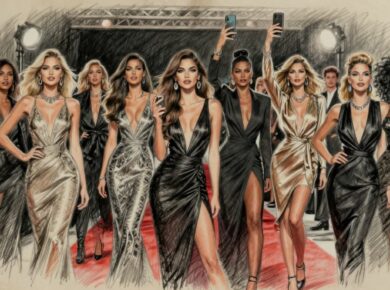
In recent years, Victoria’s Secret has undergone a significant transformation, reimagining its approach to fashion shows, branding, and consumer engagement. After a hiatus from 2019 to 2022, the iconic lingerie brand made a spectacular return with the Victoria’s Secret World Tour streamed on Amazon Prime in 2023. By 2024, the company’s latest fashion show marked a major milestone — not only reviving its signature event in New York City but also leveraging innovative influencer marketing strategies to maximize reach and impact.
In this comprehensive analysis, we explore how Victoria’s Secret harnessed influencer power to propel its brand awareness, reshape public perception, and set new standards in the highly competitive fashion industry. From the latest event details to deep dives into influencer collaborations, we reveal why their strategy in 2024 signifies a new era built on diversity, authenticity, and global engagement.
Understanding the Data: The Quantitative Impact of Victoria’s Secret 2024 Fashion Show
Key Metrics Before and During the Event
In 2024, the Victoria’s Secret fashion show took place on October 15, marking a pivotal moment for the brand. Aiming to boost visibility after previous years’ controversies and shifting consumer preferences, Victoria’s Secret partnered intensively with influencers across social media platforms, including TikTok, Instagram, and YouTube. According to Traackr, a leading influencer marketing analytics platform, the campaign generated remarkable engagement figures:
- 2,096 activated influencers: These individuals actively promoted the event on their channels, ranging from micro-influencers to macro- and mega-influencers.
- 5,542 social media mentions: The conversations spanned across multiple platforms, helping to generate buzz worldwide.
- 66 million engagements: Likes, comments, shares, and reactions, representing a massive digital footprint.
- 414 million video views: Content created around the event was widely consumed, indicating high visibility.
Year-over-Year Growth and Breakthroughs
Comparing these figures to previous campaigns reveals astounding growth:
- Activated influencers increased by over 2,800% — from a handful in 2023 to over two thousand in 2024.
- Mentions skyrocketed by over 5,200%, signifying a surge in online conversations.
- Engagements grew by nearly 58,000%, translating into increased brand interactions.
- Video views amplified by a staggering 23,700%, underlining how visual content dominated the campaign.
Taking a broader perspective, the month-to-month comparison (October 13-16 versus September 13-16) highlights the campaign’s effectiveness, emphasizing the power of strategic influencer collaboration in unlocking explosive growth for brand visibility. Notably, the shift from previous years to 2024 indicates a leap towards more dynamic, influencer-driven marketing at an unprecedented scale during the fashion show period.
Dissecting the Influencer Strategy Behind Victoria’s Secret 2024 Show
The Role of Diversity and Inclusivity in Modern Influencer Campaigns
One of the most striking aspects of Victoria’s Secret’s influencer approach in 2024 was its emphasis on embracing diversity. In an industry historically criticized for lack of representation, Victoria’s Secret actively engaged influencers from varied backgrounds, industries, and regions. This shift was both a reflection of changing social expectations and a strategic move to broaden its appeal.
By collaborating with influencers who bring authentic voices from different communities, Victoria’s Secret successfully expanded its reach beyond traditional markets. This approach not only improved brand perception but also aligned with modern consumer values centered around inclusivity and authenticity.
Key Influencers and Their Impact
Several standout creators played a pivotal role in amplifying the brand message:
- Olivia Yang: A UK-based beauty influencer with over 3.6 million engagements, Olivia’s content generated more buzz than some of Victoria’s Secret’s own Angels. Her posts highlighted the event’s glamour and diversity.
- Victoria MaGrath: Founder of the popular fashion blog INTHEFROW, Victoria created stylish content with 2.7 million engagements, showcasing how influencer partnerships can shape fashion narratives.
- Professional Athletes: Figures like Angel Reese and Toni Breidinger brought athletic appeal and empowerment to the campaign, attracting sports fans and emphasizing inclusivity.
- Diverse Creators from Around the Globe: International influencers like Priscilla Escoto from Mexico, Luana Barron Yaba from Peru, and Martaa Diiaz from Spain helped position Victoria’s Secret as a global brand invested in multicultural representation.
- Lifestyle and Fashion Influencers: Creators such as Remi Bader, Cyrus Veyssi, and Monet McMicahel broadening the spectrum of content styles, from humorous sketches to high fashion.
The Significance of Diversity in Influencer-Driven Campaigns
Why Diversity Matters for Brand Growth
In 2024, brands that prioritize inclusivity in their marketing strategies tend to outperform competitors, particularly among younger demographics such as Generation Z and Millennials. Research indicates that over 70% of consumers prefer brands that showcase diversity and social responsibility, making influencer collaborations a critical tool.
Victoria’s Secret’s diverse pool of influencers helped:
- Resonate with a broader audience, including underserved communities.
- Enhance authenticity, making the brand more relatable and credible.
- Generate user-generated content that reflects real-world diversity.
Advantages and Challenges of a Diverse Influencer Strategy
Advantages:
- Increased engagement and follower growth across multiple demographics.
- Strengthened brand reputation for social responsibility.
- Broader international reach, tapping into emerging markets.
Challenges:
- Managing varied influencer expectations and brand messaging.
- Ensuring authentic representation without tokenism.
- Coordinating international campaigns across different languages and cultures.
The Future of Influencer Marketing in Fashion Shows
Emerging Trends and Next Steps
Looking ahead, Victoria’s Secret’s success in 2024 signals a shift in how fashion brands will leverage influencer marketing. Some anticipated trends include:
- Deeper Global Collaborations: Partnering with influencers from new regions to diversify markets further.
- Virtual and Augmented Reality Experiences: Creating immersive campaigns that combine influencer content with AR/VR technologies.
- Sustainable and Ethical Messaging: Highlighting eco-friendly materials and ethical manufacturing through influencer storytelling.
- Data-Driven Personalization: Using analytics to tailor influencer partnerships according to audience preferences.
Maximizing ROI from Influencer Campaigns
Brands seeking to replicate Victoria’s Secret’s success should consider the following strategies:
- Establish clear campaign goals aligned with brand identity and values.
- Partner with influencers who authentically resonate with your target audience.
- Utilize advanced social listening tools to track real-time performance.
- Foster genuine relationships with influencers for long-term collaboration.
- Incorporate diverse representation to reflect modern consumer demographics.
Conclusion: The New Standard in Fashion Brand Promotion
The 2024 Victoria’s Secret fashion show exemplifies how a well-orchestrated influencer marketing strategy, centered on diversity and authenticity, can dramatically impact brand perception and consumer engagement. By embracing a varied group of influencers and harnessing their collective power, Victoria’s Secret not only revitalized its iconic event but also set a new benchmark for future fashion campaigns.
In an age where social media influences buying behaviors more than ever, adopting a strategic influencer approach is no longer optional but essential for brands to thrive in 2026 and beyond.
Frequently Asked Questions (FAQs)
1. How does influencer marketing affect fashion show engagement?
Influencer marketing significantly boosts visibility, engagement, and consumer interest. It allows brands to reach diverse audiences through authentic content, generating thousands of social media mentions, video views, and interactions, as seen in Victoria’s Secret’s 2024 campaign.
2. Why is diversity important in influencer campaigns for fashion brands?
Diversity enhances brand authenticity, broadens consumer appeal, and aligns with modern values. It fosters trust and relatability, especially among younger audiences who prioritize social responsibility and representation.
3. What are some effective strategies for influencer collaborations in fashion events?
- Select influencers who genuinely align with your brand values.
- Engage a mix of micro, macro, and mega-influencers for comprehensive reach.
- Focus on authentic storytelling rather than scripted promotion.
- Leverage data analytics to track performance and optimize future campaigns.
- Promote inclusivity by featuring individuals from diverse backgrounds and regions.
4. How can brands measure the success of influencer-driven fashion campaigns?
Success metrics include engagement rates, social media mentions, video views, influencer activation numbers, audience reach, and direct conversions. Tools like Traackr and Google Analytics help monitor campaign impact in real-time, providing actionable insights.
5. What trends are shaping the future of influencer marketing in fashion?
- Integration of virtual reality (VR) and augmented reality (AR) experiences.
- Increased focus on sustainability and ethical practices promoted through influencers.
- Deeper international collaborations targeting emerging markets.
- Personalized influencer content powered by data insights.
- Long-term influencer partnerships over one-off collaborations.

 InfluencerBlogger