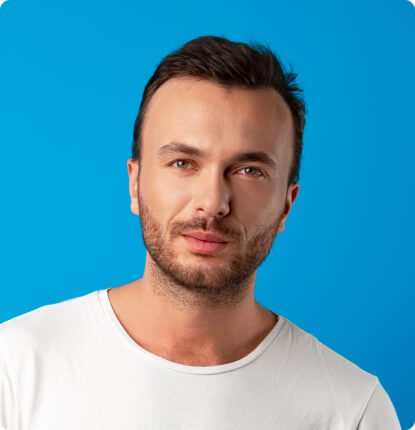

Bowen Yang, one of Saturday Night Live’s most beloved performers, is reported to be exiting the show after seven years on air. The News was first anchored by Deadline’s December 2025 report, which stated that Yang will bid farewell during the December 20, 2025 broadcast, with Ariana Grande set to host. As the SNL universe continues its seasonal shuffle, fans and industry observers alike are parsing what this means for the show’s future, the cast’s chemistry, and Yang’s next big move. This piece unpacks what we know, what it could mean for SNL’s midseason dynamics, and how Yang’s career has been evolving beyond the NBC stage.
Timeline and Context: When Is Bowen Yang Leaving SNL?
According to Deadline, Bowen Yang’s final appearance on Saturday Night Live is scheduled for December 20, 2025. The timing places his exit during the program’s midseason holiday break, a period historically marked by shifts in the lineup as cast members balance promotional commitments and personal projects. The December broadcast is typically a high-profile episode for SNL, often featuring a prominent host and a chance for the show to reset before the post-holiday arc.
For fans tracking the trajectory of SNL’s cast, Yang’s departure is part of a broader pattern in recent seasons: notable stars leaving, a few new faces stepping in, and a continual recalibration of the repertory cast. In the weeks leading up to the announcement, there had already been whispers of a larger cast shakeup, amplifying curiosity about who might fill Yang’s upcoming void and how the writers’ room would recalibrate the show’s voice in his absence.
Why Is Bowen Yang Leaving SNL? What We Know
At the time of publication, Bowen Yang had not publicly issued a formal explanation for his departure. The reasons behind midseason exits on long-running institutions like SNL are often multifaceted—ranging from personal career ambitions to scheduling conflicts and creative directions. What follows is a synthesis of the practical and personal factors that commentators and close observers have highlighted, anchored in verified reporting and Yang’s own recent remarks about his arc at SNL.
Public Statements and Personal Perspective
In September 2025, amid a wave of cast changes, Yang gave a candid interview to People magazine in which he reflected on his time at SNL and his sense of purpose within the show. He acknowledged that he has always trusted his instincts when deciding whether there is “more to do” on SNL. “I’ve always gone by the instinct of, do I have more to do? And I feel like I do,” he said. He recalled a conversation with show creator Lorne Michaels in which Michaels encouraged him to stay, emphasizing that Yang still had “more to do” for the program. Yang described the moment as meaningful, adding that Michaels’ reassurance had a profound impact on his decision to remain committed, even as the heavy schedule and promotional demands made the choice to leave more complex to navigate. This exchange underscored two things: Yang’s deep loyalty to SNL’s team and the gravity of how decisions at this level ripple through a performer’s life and career trajectory.
The absence of a formal public exit statement from Yang himself has led to plenty of speculation. Yet, his comments to People reveal a thoughtful, career-minded posture: he wants to honor what SNL has provided him while also seeking new challenges that align with his evolving brand as a multi-haceted entertainer. In a show like SNL, where the line between character work, stand-up, and film projects can blur, a midseason exit often signals a strategic pivot rather than a simple retirement from a beloved role.
The Practical Realities: Scheduling, Projects, and Promotion
One of the most tangible explanations for Yang’s exit involves the juggling act demanded by his other commitments, particularly his work associated with the Wicked franchise. Yang’s public visibility has surged in parallel with his Wicked-related roles and promotional commitments for the film adaptations, which require international travel, press tours, and promotional appearances that can complicate the demanding schedule of a weekly live show. While SNL is a weekly production that operates at warp-speed, stand-alone film campaigns and media tours are not easily reconciled with the live rehearsal and performance rhythm that define a typical SNL week.
In this sense, Yang’s departure may reflect a choice to prioritize long-term opportunities outside the show that could offer broader visibility, more creative control, or higher personal return on investment. The Wicked universe—whether referenced as “two Wicked films” or more—provides a marquee platform for a rising talent to diversify beyond the NBC stage. For a performer who has demonstrated range—from sharp impersonations to original characters—pursuing high-profile film or streaming projects can be both a strategic career move and a natural extension of his skill set.
Creative Fulfillment: A Desire to Do More
Beyond scheduling and promotional concerns, Yang’s remarks suggest a personal artistic impulse: he wants to explore more of what he can contribute to entertainment beyond the SNL framework. The idea that a performer can outgrow a particular medium while still maintaining gratitude for the past is a mature stance. In Yang’s case, the “more to do” refrain isn’t a rebuke of SNL; rather, it signals a natural evolution of a creative career. As he told People, the sentiment came with a sense of respect for Lorne Michaels and the SNL family, acknowledging that the creator’s faith in his talent was a signal to carve new paths while keeping doors open for collaboration in the future.
Bowen Yang’s Legacy at SNL: What He Brought to the Show
Bowen Yang arrived at SNL with a unique blend of writing chops and a magnetic stage presence. Since joining the program, he has become a staple of the ensemble, delivering memorable impressions, original characters, and a distinctive point of view that resonates with a modern, diverse audience. His tenure can be examined through several lenses: his contributions as a writer, his on-camera versatility, and his influence on the show’s representation and voice in a changing cultural landscape.
From Writer to Repertory Player: A Career Trajectory That Shaped SNL
Yang started on SNL as a writer, a path that is well-trodden on the show but rarely guarantees on-screen prominence. His ascent to a repertory player role is a testament to his comedic instincts, versatility, and the trust placed in him by the writers’ room and producers. This trajectory is important not only for his personal brand but also for SNL’s ongoing strategy: to cultivate writers who can also land punchy, shareable on-screen moments. Yang’s dual expertise—writing craft and performance delivery—helped him craft a fresh voice that could land with audiences across live episodes and post-air social feeds.
Character Work, Improv, and Pacing: Yang’s Signature Style
Fans remember Yang for his quick timing, candid delivery, and a willingness to lean into awkward, awkwardly funny moments that feel both spontaneous and deeply rehearsed. His characters often reflect contemporary sensibilities, balancing sharp social commentary with warmth and self-deprecating humor. In a format that thrives on immediacy, Yang’s ability to pivot from a prepared sketch to a live improvised moment became part of what viewers valued about his presence on the show. Regardless of the host or the week’s topical material, his reliability as a performer who could deliver a consistent laugh on demand reinforced why he became a central piece of SNL’s late-night puzzle.
Impressions and Original Bits: A Currency of Relevance
Impressions have long been the currency of SNL, and Yang’s repertoire added to the show’s evolving portrait of pop culture. From impersonations of contemporary figures to original go-to bits that could be repurposed across sketches, Yang offered a mix of familiarity and novelty. This blend helped SNL stay current while preserving its core comedic DNA. His presence on camera was often a highlight of the episode, a reminder that the best SNL moments can be born from a performer who understands timing, voice, and audience expectation in equal measure.
Cast Shifts at SNL: Who Else Has Left in Recent Seasons?
Yang’s exit sits within a broader pattern of changes across SNL’s lineup. The show has experienced a cascade of departures over the past couple of seasons, including several fan-favorites and rising stars who helped define the show’s newer generation. This ongoing cycle of arrivals and departures is a natural part of a live show that must adapt to shifting cultural currents, talent availability, and the personal choices of its performers.
Recent Departures: Ego Nwodim and Others
Among the notable exits in recent seasons is Ego Nwodim, who left SNL after seven memorable seasons. Her departure became a talking point in September 2025, with a heartfelt Instagram post that expressed gratitude to Lorne Michaels, the cast, the writers, and the crew. Nwodim’s exit highlighted the emotional stakes involved for performers who have built a long-standing connection with the show and its audience, underscoring how a cast shakeup can feel like saying goodbye to a shared chapter of television history.
Other names linked to the broader wave of departures included Devon Walker, Emil Wakim, Michael Longfellow, and Heidi Gardner. Each left for a mix of personal projects, career pivots, and the natural evolution of their stand-up and acting journeys. The cumulative effect of these exits is a fresh canvas for new talent to rise, re-energize the writers’ room, and reframe the show’s comedic voice for a modern audience.
What This Means for the Show’s Dynamic
From a production perspective, midseason exits like Yang’s create opportunities and challenges in equal measure. On the one hand, SNL benefits from the chance to refresh its audience’s experience with new faces, new energy, and new formats. On the other hand, the loss of a familiar performer can impact the show’s rhythm, the balance of on-screen personalities, and the audience’s sense of continuity. The show has historically weathered such transitions by promoting strong writers to cast roles, inviting guest hosts or digital-only series contributions, and recalibrating the ensemble’s chemistry around the remaining cast members. The question going forward is how SNL will translate Yang’s distinctive contribution into a sustainable future for the ensemble’s voice, especially as streaming and social media reshape audience expectations for late-night content.
What This Means for Bowen Yang’s Career Beyond SNL
Leaving SNL does not signal the end of Bowen Yang’s professional arc. Rather, it signals a moment of expansion. With a proven track record in comedy writing, live performance, and screen presence, Yang has the tools to transition into broader film and television opportunities, as well as stand-up tours and voice work in animation. The Wicked franchise presents a notable anchor for his post-SNL portfolio, but there are likely to be a broader set of collaborations and projects that leverage his strengths in character work, social commentary, and cross-cultural humor.
In an industry that increasingly rewards multi-hyphenate talent, Yang’s next steps could include a mix of film roles, streaming projects, and perhaps a return to stand-up as a way to maintain direct engagement with live audiences. The ongoing relationship with Lorne Michaels and SNL—even after his exit—could facilitate guest appearances or special collaborations that retain a sense of continuity for fans who have grown to expect Yang’s distinctive voice on late-night television. For aspiring influencers and comedians reading InfluencersWiki, Yang’s path demonstrates how a strong writing background, a fearless on-camera approach, and strategic project selection can elevate a performer from a recurring cast member to a cross-platform brand ambassador.
Fan Reactions, Industry Response, and Social Momentum
As news of Yang’s departure circulated, fans immediately turned to social media to celebrate his era on SNL and to speculate about his next moves. The conversation extended beyond fans, drawing coverage from entertainment outlets, industry insiders, and fellow performers who reflected on Yang’s impact, his comedic range, and the potential cultural footprint of his post-SNL career. The responses often highlighted a shared sentiment: while SNL has long been a proving ground for new talent, it also serves as a launchpad—one that can propel a performer into a broader creative universe with more autonomy and higher visibility across multiple platforms.
Industry observers noted that cast shakeups can have ripple effects beyond the immediate show. For brands and media executives who follow SNL closely, a departing star like Yang raises questions about how the show maintains its relevance in a competitive late-night space, how it preserves its signature voice, and how it balances ongoing tradition with fresh energy. The consensus is that SNL’s ecosystem thrives on dynamic talent and that the timing of Yang’s exit could be a catalyst for a deliberate refresh that aligns with current audience tastes, including shorter-form clips, digital-first sketches, and cross-promotional opportunities with other entertainment properties.
Pros and Cons: The Broader Implications of a Midseason Exit
- Pros: New talent infusion, renewed show energy, opportunities for existing cast to rise, potential for cross-promotional partnerships, and a chance to reframe the show’s cultural relevance with contemporary humor.
- Cons: Potential disruption to the show’s rhythm, risk of losing a fan-favorite voice, and the challenge of replacing a performer who could anchor both sketches and musical moments. There’s also the logistical complexity of managing promotional calendars for high-profile projects tied to Wicked and other ventures.
Conclusion: Bowen Yang’s Midseason Exit in Perspective
Bowen Yang’s departure from SNL marks a significant moment in the show’s ongoing evolution. While the timing evokes the familiar pattern of seasons turning and casts shifting, the decision speaks to a broader conversation about career growth, creative risk, and the value of taking bold steps toward new opportunities. The December 20, 2025 finale promises to be a milestone episode—one that both honors Yang’s contributions and signals a forward trajectory for SNL as it welcomes fresh energy and new talent to the stage. As Yang transitions into a post-SNL chapter, there’s no doubt his influence will continue to resonate—through the Wicked projects, future television and film roles, and the enduring impressions he leaves on a generation of viewers who grew up with his humor and his shared sense of comedic possibility.
FAQ: Bowen Yang Leaving SNL — Common Questions Answered
- Is Bowen Yang leaving SNL for good? At the time of reporting, Yang’s exit is framed as a midseason departure with a defined final episode. It signals a new stage in his career rather than a permanent farewell to television altogether.
- Why is he leaving midseason? The reasons appear to be a combination of personal career goals, heavy promotional commitments for Wicked projects, and a desire for creative growth beyond the SNL framework.
- What does this mean for SNL’s future? SNL will likely lean on its remaining cast, elevate newer performers, and possibly bring back guest hosts or early-season guests to maintain the show’s energy and balance. The shakeup could also create opportunities for fresh voices to emerge, keeping the program relevant to younger audiences while honoring its long-time fans.
- What about the Wicked projects? Yang’s involvement with Wicked—especially the promotional and film-related work—plays a significant role in his schedule. The broader Wicked schedule can be a compelling reason to prioritize those commitments over a rigorous weekly live show schedule.
- Who else has left SNL recently? In addition to Yang, notable departures include Ego Nwodim and other cast members like Devon Walker, Emil Wakim, Michael Longfellow, and Heidi Gardner, each departing for varied reasons tied to personal goals and the show’s evolving needs.
- Will Yang return for guest appearances? Historically, SNL intersects with former cast members in guest appearances or special episodes, and Yang’s close ties with the brand could allow for future collaborations or one-off returns.
- How should fans react to this news? Fans are encouraged to celebrate Yang’s achievements, follow his upcoming projects, and remain open to the show’s evolving cast. Midseason changes can be bittersweet, but they also mark a new era of creativity for both the performer and the series.


 InfluencerBlogger