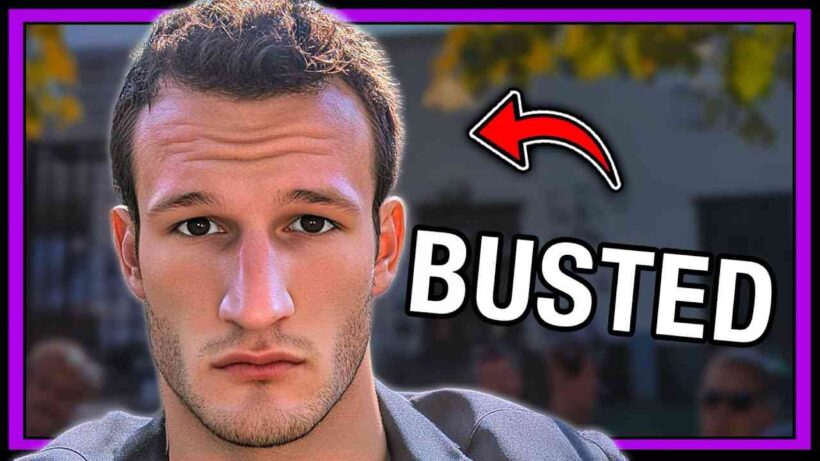

Tiger Woods is back in the headlines for all the wrong reasons. The 50-year-old golf legend was arrested on suspicion of driving under the influence after a dramatic rollover crash on Jupiter Island, Florida, on Friday afternoon. Within hours, the Martin County Sheriff’s Office released Woods’ booking photo, reigniting public scrutiny of the 15-time major champion’s off-course troubles.
How the Crash Unfolded on a Quiet Two-Lane Road
According to investigators, the incident happened shortly after 2 p.m. on a narrow stretch of road popular with local residents and tourists heading to nearby beaches. Woods was behind the wheel of a dark-colored Land Rover that was towing nothing—an important detail because the only other vehicle involved, a pickup truck, was pulling a commercial pressure-washer trailer.
Martin County Sheriff John Budensiek told reporters that the pickup driver noticed the Land Rover “closing fast” in his rear-view mirror. With no paved shoulder to escape onto, the driver tried to edge as far right as possible. At the last moment, Woods’ SUV veered left to avoid rear-ending the trailer, clipped its corner, and rolled onto the driver’s side before sliding into a grassy ditch.
Despite the violent motion, Woods escaped injury, crawling out through the passenger-side window under his own power. Deputies arriving minutes later said the golfer was coherent but displayed “objective signs of impairment,” prompting them to call for a DUI investigator rather than simply issuing a citation.
Field Sobriety Tests, Refusal and the Mugshot Seen Around the World
Body-camera footage—standard for the department—reportedly shows Woods agreeing to perform a series of field-sobriety exercises. After evaluating his performance and conducting an on-scene interview, deputies informed Woods he was under arrest for driving under the influence, a charge that in Florida covers both alcohol and controlled substances.
Woods declined to provide a urine sample at the jail, a move that under state law triggers an automatic one-year suspension of driving privileges and can be cited by prosecutors as evidence of consciousness of guilt. He was booked, posed for the now-circulating mugshot dressed in a navy golf shirt, and released on his own recognizance within three hours.
The photograph itself is striking: Woods stares straight into the lens, expression stoic, eyes slightly blood-shot. Within minutes of its release, the image flooded social media, sports-talk shows and push alerts, reviving memories of his 2017 DUI arrest when he blamed “an unexpected reaction to prescribed medications.”
What Happens Next: Court Dates, Penalties and Possible Defenses
Woods is scheduled for an arraignment next month. If convicted of a first-offense DUI, he faces:
- Up to six months in jail, though most first-timers receive probation
- A fine between $500 and $1,000 plus court costs that can double the total
- Mandatory 50 hours of community service
- A driver-license revocation of six to 12 months
- Completion of DUI school and, if substances are involved, a psychosocial evaluation
Because Woods refused the urine test, prosecutors will lean heavily on deputy observations, dash-camera video and any statements he made. Defense attorneys typically challenge the validity of field-sobriety tests, especially if the driver has physical limitations—Woods has a fused spine from previous surgeries—or if road conditions were uneven.
Even so, Florida judges have become increasingly strict on high-profile defendants, reasoning that publicity deters impaired driving. A plea to a reduced charge of reckless driving is possible, but that still carries probation, classes and a permanent criminal record unless the court agrees to withhold adjudication.
Impact on Sponsors, Tournaments and Woods’ Comeback Plans
Corporate partners historically stand by Woods longer than most athletes because of his unique marketability. Nike, which has sponsored him since 1996, declined comment Friday, while Discovery-owned GolfTV reiterated its support for “Tiger’s competitive journey.” Still, analysts note that each new incident chips away at the aura that once made him the world’s highest-paid athlete.
From a competitive standpoint, Woods has not played a PGA Tour event since withdrawing from the 2025 Masters, citing plantar fasciitis. He is eligible for the upcoming Players Championship and has a lifetime invitation to the Masters, yet lingering back issues and now legal distractions raise questions about how much elite golf remains in him.
Commissioner Jay Monahan said the Tour is “monitoring the situation and will let the legal process play out.” Under the Tour’s conduct policy, players can be disciplined for “conduct unbecoming a professional,” but sanctions are usually announced only after adjudication.
Public Reaction and the Broader Conversation on Athlete Accountability
Social media reaction split along predictable lines: some fans expressed sympathy, noting Woods’ well-documented physical pain and personal setbacks; others argued that fame should not shield anyone from consequences. Addiction specialists used the moment to highlight the dangers of mixing prescription medication with driving, a growing factor in U.S. traffic fatalities.
Local residents left flowers near the crash site, thanking deputies for quick action. “We’ve seen too many tragedies on this road,” said longtime Jupiter Island resident Maria Lopez. “We’re just grateful nobody got hurt.”
Bottom Line


 InfluencerBlogger