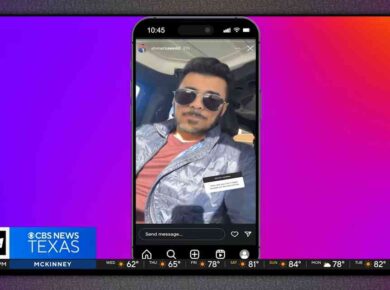

In the modern political landscape, the line between reality television and public service has become increasingly blurred. When reality star Spencer Pratt announced his bid for Mayor of Los Angeles, it sparked a whirlwind of media attention, controversy, and skepticism. Among the voices weighing in on this unconventional campaign is Congresswoman Alexandria Ocasio-Cortez (AOC), who recently offered a piece of advice that cuts to the core of modern campaigning: own your story, or lose the trust of the voters.
The Intersection of Reality TV and Political Ambition
Spencer Pratt, best known for his role on the hit MTV series The Hills, has never been one to shy away from the spotlight. However, his transition from reality villain to mayoral candidate has been met with intense scrutiny. The controversy reached a fever pitch when it was revealed that Pratt’s campaign imagery—specifically a video featuring him standing in front of a modest trailer—implied a lifestyle that didn’t quite match reality. While the ad suggested a humble living situation, reports confirmed that Pratt was actually residing at the ultra-luxurious Hotel Bel-Air.
When confronted about the discrepancy, Pratt maintained that he never explicitly claimed to live in the trailer, despite the visual framing of his campaign content. This type of narrative manipulation is common in reality television, where producers often curate scenes to create drama. However, in the arena of municipal politics, voters expect a different level of transparency. The disconnect between his campaign messaging and his actual lifestyle has become a focal point for critics who argue that his run is more of a performance than a genuine attempt at governance.
AOC’s Perspective on Navigating the Political Spotlight
Alexandria Ocasio-Cortez, who rose to prominence from her background as a bartender and waitress in the Bronx, is no stranger to being underestimated or misunderstood by the political establishment. When asked about Pratt’s campaign, AOC offered a perspective rooted in her own journey. She noted that while she isn’t an avid follower of reality television, she understands the unique challenges entertainers face when entering the political world.
AOC’s core message to Pratt—and indeed to any candidate—is that authenticity is the most valuable currency in politics. She emphasized that trying to manufacture a persona or hide one’s true background often backfires. According to AOC, the key to building a sustainable political career is to lean into your actual life experiences rather than trying to fit into a pre-packaged mold. For a candidate like Pratt, who has spent years crafting a public persona, the challenge lies in convincing the electorate that he can pivot from a character on screen to a serious public servant.
The Risks of Performative Campaigning
The situation highlights a growing trend in American politics where celebrity status is often used as a shortcut to name recognition. However, as the scrutiny surrounding Pratt’s campaign demonstrates, name recognition is not the same as political legitimacy. When candidates rely on the tropes of reality television, they risk alienating voters who are looking for substantive policy solutions rather than viral moments.
Key challenges for celebrity candidates include:
- The Trust Gap: Voters are quick to identify when a candidate is being disingenuous or deceptive about their personal circumstances.
- Policy Depth: Moving beyond soundbites to address complex municipal issues like housing, infrastructure, and public safety.
- Media Scrutiny: Unlike reality TV, where the narrative can be edited, political campaigns are subject to constant, real-time fact-checking by journalists and opponents.
- Consistency: Maintaining a coherent message that aligns with the candidate’s past actions and current platform.
As Rep. Nancy Mace and other political figures have noted, the influence of figures like Donald Trump has changed the playbook for how celebrities approach office. Yet, the success of such campaigns often depends on whether the candidate can eventually transition from a “character” to a leader who understands the gravity of the office they seek.
Conclusion: Can Reality Stars Pivot to Public Service?
Whether Spencer Pratt’s mayoral bid is a genuine attempt to influence policy or merely another chapter in his long history of reality television antics remains to be seen. However, the advice offered by AOC serves as a reminder that the public is increasingly sophisticated in how they consume political messaging. In an era of constant connectivity, the truth has a way of surfacing. For any candidate, the path to victory—and more importantly, to effective governance—begins with the willingness to be transparent about who they are and what they truly stand for.
Frequently Asked Questions
Why did AOC comment on Spencer Pratt’s campaign?
AOC was asked about the intersection of reality TV and politics by reporters on Capitol Hill. She used the opportunity to discuss the importance of authenticity in political campaigns, drawing on her own experience as a candidate who did not come from a traditional political background.
What was the controversy regarding Spencer Pratt’s trailer?
Pratt released a campaign ad that featured him standing in front of a trailer, which many viewers interpreted as an attempt to portray himself as living a modest, relatable lifestyle. It was later revealed that he was staying at the luxury Hotel Bel-Air, leading to accusations of deception.
Does AOC think reality stars should run for office?
AOC did not explicitly condemn reality stars running for office. Instead, she suggested that the success of any candidate depends on their ability to be authentic and honest with voters, regardless of their professional background


 InfluencerBlogger