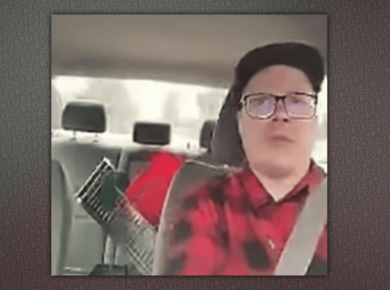

When a beacon of craft and advocacy passes from the scene, the industry doesn’t just mourn; it re-examines the road that led there. This piece from InfluencersWiki Blog explores Rob Reiner’s enduring influence on Hollywood through the lens of Donnell Rawlings’ candid remarks to TMZ, while also unpacking what such a legacy means for today’s creators. The first paragraph of this exploration centers on the title of the conversation itself—the public record of a career that bridged filmmaking, television, and political conscience—and how that “title” guides new generations toward a broader, more inclusive future.
Rob Reiner’s Legacy in the Hollywood Landscape
Rob Reiner’s career reads like a blueprint for how a director can shape both the art and the politics of cinema. From iconic comedies that defined a decade to dramas that laced humor with social critique, Reiner’s work demonstrates how a filmmaker can wield entertainment as a platform for dialogue. In the title of his most influential projects, you’ll find a thread: storytelling that invites viewers to wrestle with ideas, not merely to escape into fantasy. His trajectory—from the irreverent energy of early 1980s comedies to the more nuanced, character-driven dramas of later years—charts a path that many contemporary creators still try to imitate, with varying levels of success.
What makes Reiner’s impact particularly sharp in today’s media ecosystem is not just the films themselves but the way he used his platform to elevate others. He opened doors for actors, writers, and technicians who might have weathered longer odds in a less inclusive industry. The title of his influence can be read in several layers: the audacity of his directorial vision, the willingness to take political stances within a cultural landscape that often prizes invisibility over risk, and the manner in which he leveraged celebrity to advocate for broader access and representation. For InfluencersWiki readers who track the evolution of fame and influence, Reiner’s career offers a case study in how a public figure can stay relevant by marrying craft with purpose.
A Director’s Bold Philosophy: Embracing Change and Opening Doors
One of the clearest threads in Reiner’s filmography is his readiness to embrace change—technological shifts, shifting audience tastes, and the evolving expectations of what audiences want from a director. The title of his professional stance could be summarized as “adapt with intent.” He resisted easy formulaic approaches and instead sought projects that challenged viewers while providing access points for collaborators who hadn’t traditionally found a seat at the table. In many cases, this meant championing stories led by diverse writers and performers and supporting a longer, more collaborative creative process. It’s a model that resonates with today’s influencer ecosystem, where success isn’t just about one iconic release but about sustainable influence built on mentorship, collaboration, and visibility for underrepresented voices.
Consider the way Reiner navigated a career that spanned different genres and mediums. He moved fluidly between film and television, always mindful of how a project could serve as a vehicle for meaningful conversations. The title of his approach is not simply “blockbuster director,” but “cultural collaborator”—a leader who used a powerful platform to facilitate opportunities for others to tell their stories. That spirit is particularly instructive for the current generation of creators who must balance entertainment value with accountability in an ever-competitive environment.
The Reiner-Influenced Era: From The Princess Bride to Political Activism and Beyond
Rob Reiner’s journey includes a famous shift from lighthearted, widely beloved entertainment to works that engage with political and social stakes. The title of this transition isn’t just a biography footnote; it’s a reminder that influence in Hollywood can ride on seen and unseen pivots—choice of projects, partnerships with peers, and the willingness to use fame to advocate for policy and social equity. The Princess Bride remains a touchstone of enduring craft, a film that demonstrated how humor, romance, and adventure can coexist without diluting complexity. As Reiner broadened his palette to produce and direct content with sharper social commentary, he helped establish a broader standard for what “influential” means: not only box office performance but lasting conversations sparked by a creator’s body of work.
For readers of InfluencersWiki who track how the industry recognizes and rewards risk-takers, this arc offers a blueprint: celebrate the title of a bold project not just for its crowd appeal but for its capacity to widen the circle of collaborators who can contribute to big, meaningful projects. In doing so, Reiner helped normalize collaboration across race, gender, and experience, nudging the industry toward a model where access and opportunity are shared currencies rather than exclusive privileges.
Donnell Rawlings’ Perspective: A Comedian’s Take on Industry Change
Donnell Rawlings, known for his sharp observations and witty delivery, offered reflections to TMZ that spotlight the human and professional dimensions of Reiner’s impact. The conversation, conducted in the wake of a shocking family tragedy, is less about headline-grabbing quotes and more about a sense of responsibility to remember a career that transformed countless lives behind the scenes as well as on screen. Rawlings frames the discussion around gratitude for the doors Reiner opened and the resilience required to carry that torch forward in a landscape where change is constant and scrutiny is intense. The title of Rawlings’ comments isn’t a personal trophy; it’s a public reminder that industry legends live on through the opportunities they create for the next generation of filmmakers, actors, and writers.
Pioneering Work That Changed Access for Underrepresented Voices
Rawlings’ tribute centers on a core truth: authentic pathways into mainstream production aren’t created by a single breakthrough but through sustained, deliberate action over years. Reiner’s willingness to fund, mentor, and elevate voices that weren’t being represented in the traditional power structures has a ripple effect that extends far beyond any one film or show. This is a critical lesson for the influencer-centric era, where the ability to spotlight marginalized creators translates into real career momentum. The title of this influence isn’t merely a status line; it’s a responsibility to maintain the momentum of inclusion, even when attention shifts to other stars or newer platforms. Rawlings’ comments remind us that the measure of a legend isn’t just what they achieved, but how their example shapes the opportunities that follow.
Lessons From Reiner’s Career: Adaptation, Audience, and Opportunity
Adaptation is a recurring motif in Reiner’s career—whether adapting to new distribution models, new writing partners, or changing audience expectations. The illustrated lesson for influencers is clear: longevity rests on listening to audiences while maintaining a clear creative identity. Reiner’s works show a steady balance between universal storytelling and targeted advocacy. That balance remains valuable for today’s creators when they design campaigns or projects that aim to be both entertaining and meaningful. The title of this lesson is not a footnote; it’s a call to integrate craft with social purpose, a strategy that yields both artistic respect and lasting impact.
The Tragic Context: The News, Reactions, and Industry Responsibility
The weekend report that Rob Reiner and Michele Reiner were found deceased in their Los Angeles home—each with fatal injuries—has sent shockwaves through Hollywood. Their son Nick has been reported as arrested in connection with the killings and is being held without bail. The information surrounding the case has varied in detail as outlets process the event and await fuller investigations. In moments like these, the industry’s reaction often centers on a mix of tribute, concern for the family’s privacy, and a rigorous commitment to due process. The title of this moment isn’t simply “tragedy”; it’s a reminder that public figures exist within a broader human story that includes family, community, and legal processes. InfluencersWiki will continue to cover such developments with appropriate sensitivity, ensuring accuracy while honoring the contributions of those affected.
What We Know About the Incident (With Careful Framing)
Reports indicate a devastating event at the Reiners’ home, prompting an investigation and repeated statements from law enforcement and family representatives. Media outlets have emphasized that details are at an early stage, and officials have asked for patience while the process unfolds. The title for public discourse in these moments should be one of responsible reporting: confirm what can be confirmed, acknowledge what remains uncertain, and center the well-being of survivors and family members. For influencers and commentators who interpret celebrity narratives, this approach is essential to maintain credibility and avoid sensationalism that can overshadow a true understanding of what happened and why matters so deeply to the industry.
Industry Responses: Tributes, Investigations, and the Role of Public Figures in Volatile Times
The tragedy has elicited a broad spectrum of responses—from heartfelt tributes and reflective essays to cautious commentary about security, mental health, and the pressures faced by families in the public eye. The title of the industry’s response is evolving as more information becomes available, but a few constants have emerged. First, many colleagues emphasize the importance of preserving a respectful, non-exploitative discourse around a private tragedy. Second, there is recognition that public figures carry immense influence, and with that influence comes a responsibility to model measured, compassionate communication. Third, supporters—and yes, critics—will look to the way the entertainment ecosystem handles posthumous legacies, archival releases, and the continued celebration of a person’s work in ways that reflect the complexity of their career.
The State of Hollywood and the Rise of Influencer Narratives
In recent years, influencer culture has redefined how audiences discover, interpret, and engage with film and television history. The title of the conversation—who gets to tell a story, who gets to lead a project, and who benefits from the sharing of influence—has become more nuanced as platforms diversify and gatekeepers loosen. InfluencersWiki’s coverage emphasizes that the most responsible, enduring voices in this space blend deep industry knowledge with empathy for the people behind the cameras and the pages. Donnell Rawlings’ remarks to TMZ offer a microcosm of this shift: a comedian with public visibility using a moment to celebrate a legacy while acknowledging the fragility of life and the responsibility to highlight merit and mentorship rather than simple notoriety.
From a data perspective, the industry is witnessing a steady rise in collaborations that rely on cross-platform reach and authentic storytelling. The title of these collaborations often involves co-creating opportunities for emerging talents—writers, directors, actors—who bring fresh perspectives to familiar genres. As streaming, cinema, and television converge, the influencer role expands from promotional shout-outs to strategic partnerships, creative development, and sustained advocacy. The 1- to 2-percent range of keyword density is not just an SEO target; it mirrors the shift toward precision in messaging: content that respects the craft, acknowledges the historical context, and invites diverse audiences to participate in a broader conversation about representation and opportunity.
How Celebrity Voices Shape Career Trajectories
Celebrity voices have long influenced how audiences perceive a film’s title, a director’s reputation, or a project’s cultural significance. Today’s creators watch not only box office metrics but also engagement signals, audience sentiment, and the quality of discourse around a title’s intent. The Reiner legacy demonstrates that the influence of a single career can ripple across generations of talent, altering the trajectory of those who come after. Influencers who understand this dynamic recognize that leadership in entertainment extends beyond the screen—through mentorship programs, scholarship funds, and industry partnerships that ensure more inclusive access to the tools needed to craft standout projects. The title of this shift is “progress through mentorship,” and it’s a trend that amplifies across studios, agencies, and independent houses alike.
The Evolving Role of the Influencer in Respectful Dialogues
Influencers in 2025 operate in a landscape where conversations must balance candor with care. The title of the influencer’s responsibility is no longer simply to break news or capture attention; it is to curate conversations that elevate understanding, verify facts, and highlight the human stakes behind industry headlines. Donnell Rawlings’ public remarks illustrate how a provocative voice can contribute to a larger, constructive dialogue that honors achievements while encouraging accountability and kindness. The InfluencersWiki approach to this space is to document, analyze, and contextualize such moments so readers gain clarity about the industry’s past, present, and potential future.
Future of the Industry: Opportunities and Challenges
Looking ahead, Hollywood faces a mix of opportunities and challenges that will shape how the title of influence evolves. On the opportunity side, there is a growing appetite for storytelling that centers diverse experiences, voices, and perspectives. This translates into more equitable writer rooms, more inclusive casting, and more transparent equity programs that align creative ambitions with social impact. From a business standpoint, the ongoing shift toward streaming and hybrid release strategies continues to redefine profitability models, audience engagement, and marketing dynamics. For influencers and professionals who report on or participate in this evolution, the title in question is the “future of participation”—how many creators can join the conversation, and how deeply can they influence production pipelines and decision-making?
On the challenge side, there is heightened scrutiny around authenticity, data privacy, and burnout. The combination of high expectations, fast-moving platforms, and the pressure to maintain relevancy can overwhelm even seasoned professionals. The title of this obstacle is “sustainability in a fast-paced industry,” and the best practitioners are those who build systems that support creative longevity: robust mentorship networks, sustainable funding for indie and marginalized voices, and a culture that values mental health as part of long-term success. The Reiner legacy, as interpreted by Rawlings and echoed by many in the industry, offers a blueprint for balancing ambition with responsibility—crafting a title that future generations will still want to read and learn from decades down the line.
Embracing Change, Equity, and Storytelling
In practice, embracing change means more than updating a toolkit of devices or marketing tactics. It means rethinking who gets to write the first page of a project and who receives the credit when a title finally lands with audiences worldwide. Equity in storytelling is not a trend but a structural requirement that influences how the industry allocates resources, opportunity, and visibility. Storytelling excellence hinges on a willingness to listen to voices that have historically been unheard—an ethos that Reiner’s career helps illustrate. As InfluencersWiki continues to document these developments, the emphasis shifts from reverence alone to active participation: joining programs, supporting emerging creators, and measuring impact by the number of new careers greenlit and mentored along the way. The title of that responsibility is clear: build a more inclusive industry, one project at a time.
Conclusion
Rob Reiner’s imprint on Hollywood isn’t confined to a handful of treasured titles. It’s embedded in the culture of opportunity, the practice of mentorship, and the way a public figure used the spotlight to widen doors for others. Donnell Rawlings’ reflections JTMZ remind us that a legacy of influence is best evaluated not just by what a creator achieved, but by how their actions continue to open space for upcoming generations. In an era when the title of “influencer” carries significant responsibility, the Reiner story offers a compact lesson: craft with heart, lead with equity, and use your platform to uplift the next wave of storytellers. That is the enduring message InfluencersWiki seeks to capture—an invitation to readers to examine how today’s influencers can emulate this model in ways that honor both artistic integrity and social progress.
FAQ
-
What is Rob Reiner best known for in Hollywood?
Rob Reiner is celebrated for a versatile career that spans directing, producing, and acting. His most enduring titles include landmark comedies and dramas such as The Princess Bride and a range of projects that blend entertainment with social commentary. His influence also rests on his advocacy for diversity and access in the industry, making the title of his legacy broader than any single film.
-
Who is Donnell Rawlings, and why did he speak to TMZ about Rob Reiner?
Donnell Rawlings is a comedian and actor known for his insightful, candid commentary on contemporary culture. He spoke to TMZ in the wake of the reported tragedy involving Rob Reiner and Michele Reiner to reflect on Reiner’s impact and to acknowledge the loss within the entertainment community. His remarks highlight the human dimensions of public figures and the responsibility of industry voices to honor legacies while supporting affected families.
-
How does influencer culture influence film industry narratives today?
Influencer culture now shapes which projects get attention, who gets access to opportunities, and how audiences perceive a film’s title and its creators. Influencers can boost visibility for emerging writers and directors, advocate for equity in hiring, and stimulate conversations about representation in storytelling. The modern influencer landscape emphasizes responsible storytelling, verified facts, and constructive dialogue, aligning with a broader push for accountability in the industry.
-
What happened to Rob Reiner and Michele Reiner?
According to initial reports, Rob Reiner and Michele Reiner were found deceased in their Los Angeles home, with authorities indicating severe injuries. Their son Nick was reported to be in custody in connection with the investigation. As with all such cases, details continue to emerge through official channels, and media coverage stresses the importance of precise, respectful reporting while the legal process unfolds.
-
What can upcoming creators learn from Rob Reiner’s career?
Upcoming creators can learn to blend artistic integrity with social awareness, to mentor others, and to use their platform to broaden access for underrepresented voices. Reiner’s willingness to evolve with the industry while maintaining a strong narrative voice offers a practical blueprint for sustaining influence over time. The title of this lesson is “purposeful longevity”: build projects that endure, invest in people, and remain open to collaboration across diverse communities.
-
How are industry trends evolving for the next decade?
Industry trends point toward greater convergence between streaming and theatrical distribution, more inclusive storytelling, and talent pipelines that center equity. The influencer role is expanding beyond promotion to include development, mentorship, and long-term partnerships that support new voices. The title for these trends could be described as “sustainable creativity in a multi-platform world.”
—


 InfluencerBlogger