
When a former NBA champion steps into the Oval Office’s press room, the world takes a moment to pause. On March 26, 2026, Tristan Thompson—known for his basketball prowess and his outspoken personality—was photographed speaking before the White House press corps, sparking a wave of curiosity and speculation across social media platforms.
Who Is Tristan Thompson and Why Is He at the White House?
Tristan Thompson, born on May 27, 1990, enjoyed a 12‑year NBA career that saw him win three championships with the Cleveland Cavaliers. After hanging up his sneakers, Thompson transitioned into a role that blends sports, philanthropy, and public service. He has become a prominent advocate for mental health awareness, youth mentorship, and community development initiatives. His recent invitation to speak at the White House was part of a broader effort by the administration to highlight the positive impact athletes can have beyond the court.
In a statement released by the White House Press Office, the administration praised Thompson’s “dedication to empowering young people and his commitment to fostering inclusive communities.” The event was organized in partnership with the NBA’s “NBA Cares” program, which collaborates with the U.S. Department of Education to support educational and health programs nationwide.
The Moment Captured: A Snapshot of Thompson’s Address
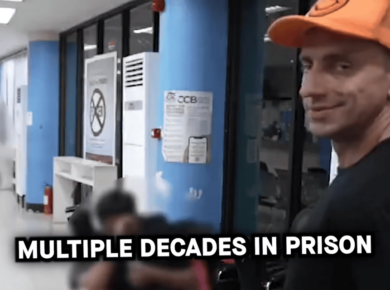
Reporter Jake Traylor, who works for the media outlet MS NOW, shared a photo on X (formerly Twitter) that quickly went viral. The image shows Thompson standing at the podium, flanked by a backdrop of the American flag and a banner reading “Community & Leadership.” The caption read: “Basketball player Tristan Thompson is at the White House.” The photo was credited to user blank”>@emilyhung, a local photographer who captured the moment from the sidelines.
While the image alone sparked speculation, a short video clip that accompanied the post revealed Thompson’s speech. He spoke for approximately eight minutes, touching on topics such as:
- the importance of mentorship for at‑risk youth
- his personal journey from the NBA to community leadership
- the role of sports in promoting mental health awareness
- collaborations between the NBA and federal agencies to fund educational programs
- an invitation for the public to join a nationwide “Leadership for Tomorrow” initiative
Traylor’s post prompted a flurry of reactions. Some users praised Thompson’s candidness and the relevance of his message, while others questioned the appropriateness of a former athlete speaking on policy matters. The conversation quickly expanded beyond the sports community, touching on broader themes of celebrity influence and public service.
Behind the Scenes: How the Invitation Came About
Sources close to the White House confirmed that the invitation was extended by Margo Martin, a Special Assistant in the Office of the President’s Communications. Martin, who has previously coordinated outreach with high‑profile figures, emphasized that Thompson’s track record of community engagement made him an ideal candidate for the event.
According to an internal memo, the administration sought to showcase diverse voices that could inspire young Americans. Thompson’s involvement was seen as a strategic move to bridge the gap between the sports world and public policy, especially in areas related to youth development and mental health. The memo also noted that Thompson’s partnership with the NBA’s “NBA Cares” program had already yielded measurable outcomes in several states, making him a tangible example of sports‑driven social impact.
Public Reaction and the Power of Social Media
Within hours of the post, the hashtag #ThompsonAtTheWhiteHouse trended on X. Users shared their own photos from the event, many of whom expressed admiration for Thompson’s willingness to step outside the court and address national issues. A notable segment of the conversation focused on the broader trend of athletes engaging in civic discourse—an evolution that began with figures like Colin Kaepernick and has since expanded to include athletes across all sports.
Critics, however, raised concerns about the potential for celebrity influence to eclipse evidence‑based policy discussions. Some commentators argued that while Thompson’s message is inspirational, it should not replace the nuanced work of policy experts. Others countered that the presence of a well‑known public

 InfluencerBlogger