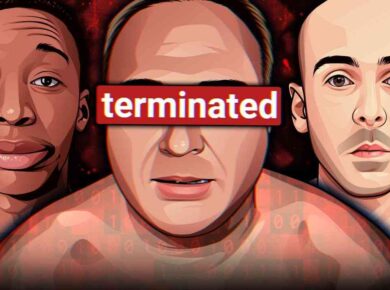

In recent weeks, the mysterious death of financier and convicted sex offender Jeffrey Epstein has ignited a firestorm of controversy, conspiracy theories, and press speculation. The discovery of a video allegedly depicting Epstein attempting to commit suicide inside his jail cell has only fueled these debates, raising questions about the official narrative and the transparency of investigations. This detailed overview aims to unpack the latest revelations, the evidence surrounding Epstein’s death, and what implications these developments could have for justice and accountability.
The Background: Jeffrey Epstein’s Controversial Death
Who Was Jeffrey Epstein?
Jeffrey Epstein was a wealthy financier with close ties to high-profile figures across politics, entertainment, and business. His arrest in July 2019 on federal sex trafficking charges exposed a complex web of allegations, involving underage victims and powerful accomplices. Epstein’s connections ranged from billionaire donors to influential celebrities, making his case a media magnet and a source of rampant speculation.
The Death that Shook the World
Epstein died in August 2019 while awaiting trial at the Metropolitan Correctional Center in New York. Officially, the authorities declared his death a suicide by hanging. However, numerous inconsistencies, discrepancies, and the absence of certain key evidence have led many to question the official account. Prominent critics, including Epstein’s brother, Mark Epstein, argue that foul play was involved, suggesting that powerful individuals might have been involved in silencing him.
The Surprising Emergence of the Epstein Video
The Video’s Discovery and Content
Earlier this year, information surfaced indicating that the Department of Justice (DOJ) had released a video showing Epstein in his cell. The footage, reportedly from August 10, 2019—it’s the day he was found dead—appears to depict Epstein attempting to hang himself. The video is graphic and unsettling, prompting widespread media coverage and internet debate about its authenticity and significance.
The Video’s Removal and Controversy
After initially being accessible via the DOJ’s public links, the video has since been taken down, replaced with a page that now leads to a dead link. This sudden removal has only intensified conspiracy theories, with some critics claiming the footage was suppressed to hide evidence contradicting the official suicide narrative.
Understanding the Evidence: What Does the DOJ Report Say?
Details in the Final DOH Report
Former Attorney General Bill Barr’s final report on Epstein’s death thoroughly reviewed all available recorded footage. Interestingly, the report clarifies that there was no footage from inside Epstein’s cell—only from adjacent common areas, hallways, and stairwells. This absence of internal cell footage helps explain why many questions about the circumstances of Epstein’s death remain unanswered.
The Significance of Camera Placement
The location of cameras in detention facilities is crucial for understanding what physical evidence they can provide. Because Epstein’s cell was not within camera view, the surveillance footage does not conclusively confirm or deny the act of hanging. That said, the presence of outside footage has perhaps been insufficient for some to accept the official conclusion of suicide.
Public Reactions and Conspiracy Theories
Community Skepticism
Many members of the public, journalists, and conspiracy theorists dismiss the official story, citing Epstein’s connections and the high-profile nature of those linked to him. Theories have ranged from claims that Epstein was murdered to suggestions that the footage shows him fighting or struggling instead of hanging voluntarily.
The Role of Investigations and Transparency
These theories thrive partly because of inconsistencies in the investigation—delayed cell checks, malfunctioning cameras, and reports of failed suicide watch protocols. The removal of the video from public access has also stoked distrust, prompting calls for independent investigations and greater transparency.
What the Future Holds: Implications and Legal Challenges
Could the Video Change Public Perception?
The footage, if verified, could potentially alter perceptions of Epstein’s death, possibly uncovering foul play or at least raising doubts about the official narrative. It might also expedite new investigations into the circumstances surrounding his death, including examining the role of prison staff and systemic failures.
Legal Ramifications
While Epstein’s case was closed with the designation of suicide, new evidence like the video might lead to civil or criminal proceedings against prison personnel or institutions responsible for his care. Moreover, these revelations could stimulate broader inquiries into high-profile abuse cases involving elite figures, as the Epstein network is believed to extend beyond what has been publicly exposed.
Examining the Pros and Cons of the Epstein Video Revelation
Advantages of Transparency and New Evidence
- Restores public faith in the justice system by offering clarity
- Provides concrete evidence that could clarify or challenge official reports
Concerns and Challenges
- The authenticity of the video remains under scrutiny—could it be manipulated?
- Risk of misinformation spreading without verified verification
- The potential for further conspiracy theories to flourish, complicating public discourse
Key Takeaways and Summary
The emergence of footage purportedly showing Jeffrey Epstein attempting to kill himself has marked a significant moment in the ongoing saga of his mysterious death. While the video’s sudden removal raises eyebrows, it stokes ongoing questions about transparency, the integrity of investigations, and the influence of powerful entities. As this story unfolds, it underscores the importance of independent scrutiny and the vital role of credible evidence in resolving high-profile cases.
Frequently Asked Questions (FAQs)
Has the Jeffrey Epstein video been officially verified?
As of now, no definitive independent verification confirms the authenticity of the video. The DOJ has not released any further evidence, and the timing of its removal fuels skepticism.
Could Epstein’s death have been a murder?
Many experts, and Epstein’s family members, contend that foul play is a real possibility, citing irregularities in the investigation and the absence of interior cell footage. However, official sources maintain it was a suicide.
What are the implications of the video’s removal?
The removal raises concerns about transparency and opens the door for conspiracy theories. It emphasizes the need for independent investigations and more open access to evidence in high-profile cases.
How does this impact ongoing investigations into Epstein’s associates?
New evidence might lead to renewed scrutiny of Epstein’s contacts and potential accomplices. It also puts pressure on authorities to deliver more transparency and accountability in handling related cases.
What are the lessons from this case for the justice system?
This incident highlights the importance of thorough, transparent investigations in high-profile cases, especially when public trust is fragile. It also underscores the significance of accessible evidence and independent oversight.
In conclusion, the Jeffrey Epstein video claiming to show him attempting to hang himself represents a critical piece in the puzzle surrounding his death. As the story develops, its implications reach far beyond the confines of one prison cell, touching on issues of justice, transparency, and the influence of elite power networks. While questions continue to linger, one thing remains clear: public reliance on verified evidence is essential for unraveling complex, high-stakes cases like this.

 InfluencerBlogger