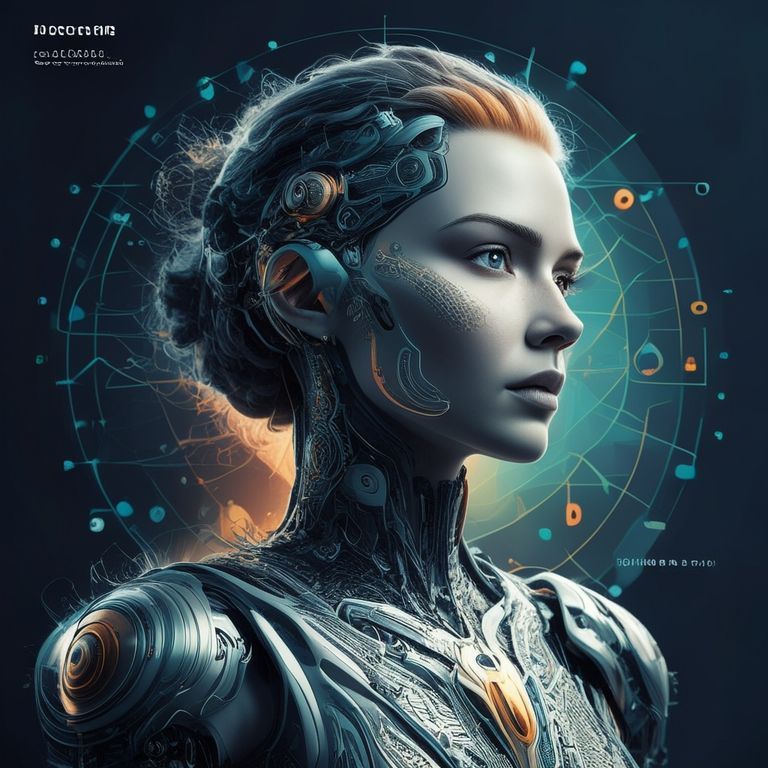

As we step into a new era of technological advancements, one aspect stands out: the rise of AI-powered storytelling. This innovative approach leverages the power of artificial intelligence to generate immersive narratives, revolutionizing the creative landscape. By combining natural-language generation, machine-learning models, and data analytics, AI-powered storytelling creates interactive, dynamic content tailored to individual readers or contexts. In this article, we’ll delve into the intricacies of this technology and explore its potential, applications, and challenges.
The Evolution of AI-Powered Storytelling: From Humble Beginnings to Mainstream Success
The early beginnings of AI-powered storytelling date back to the 1960s, with the creation of simple story-generators like the “Tin Man.” Since then, we’ve witnessed a significant shift, with modern GPT-style engines taking center stage. These sophisticated models utilize transformer-based language architectures, reinforcement learning from human feedback, and multimodal outputs to craft compelling narratives.
Today, the AI-powered storytelling market is experiencing tremendous growth, with startups capitalizing on the trend. A staggering $320 million in funding was secured in 2023 alone, as the generative-content market is projected to reach a substantial $12 billion by 2027. The increasing availability of these tools, coupled with the launch of wide-spread APIs like OpenAI’s GPT-4, Anthropic’s Claude, and Meta’s LLaMA, has accelerated the democratization of AI-powered storytelling, offering a wealth of creative potential for writers, educators, and advertisers alike.
The Intersection of AI Storytelling and Human Creativity
Prompt engineering, a fundamental element of AI-powered storytelling, involves defining the blueprint for the AI narrative. This process involves specifying the desired tone, style, and outcomes, often requiring meticulous attention to detail. Effective prompts not only streamline the creative process but also imbue the story with the intended character arcs, tropes, and emotional resonance. The collaboration between human writers and AI algorithms fosters a symbiotic relationship, with both parties enhancing the narrative’s depth and impact.
Quality assurance is equally crucial, as iterative human editing is essential to maintain thematic consistency, clarity, and coherence. AI-generated narratives often require expert evaluation, addressing concerns such as plot holes, clichés, and algorithmic “hallucinations.” Case studies and user feedback offer invaluable insights, as seen in the “AI-Generated Novella Sprint” project, demonstrating the potential for engaging, personalized stories across diverse genres.
Navigating the Complex Legal Landscape
The production and distribution of AI-generated narratives raise complex legal questions regarding authorship, copyright, and bias concerns. The ambiguity surrounding AI-generated content falls under the realm of non-human authorship, begging questions about creative rights, revenue sharing, and the role of human creators in such collaborations. Notable court decisions and statements from authors and publishers illuminate these complexities, underscoring the need for clear agreements and guidelines.
Strategies and Pitfalls in Effective AI-Powered Storytelling
1. Explain the “Prompt Engineering” Playbook
Concrete examples of effective prompts that tackle narrative complexity with specificity, temperature control, and fine-tuned language.
Strategies for writing effective prompts, such as considering the initial conditions, temperature, and few-shot examples for improved crafting of the narrative.
2. Narrative Architecture Templates
Outline frameworks like Three-Act Structure and Hero’s Journey, and their transitional applications in narrative prompts for “story companions.”
3. Quality Assurance Checklist
Highlight the continuous evaluation process to refine scripts, identify improvement opportunities, and balance narrative demands to create rich, engaging stories.
4. Tools & Platforms To Watch
Comparative evaluation of cutting-edge AI tools, focusing on ease of usage, the user experience, and accessibility. Key platforms include OpenAI’s GPT-4 Prompt API, Anthropic Claude, Cohere Command R, and Hugging Face’s “text-generation-inference” Serenade, offering insights into future collaborations.
5. Legal Highlights
Interpretations of relevant authors’ convictions on AI-created texts and their respective meanings in the creative writing community, emphasizing authorship and ownership integrity.
6. Future-Projections
Delving into the likelygrowth curve of multiformatrix-derived narratives via richresources allowing multiple media forms (like: immersive b gate VR-Narrative-Rnorm227nano level supported virtually/comsucc convergence Emergingknowledge Embedded Institute init created look promsheet State roles scaled advisable instructional ensures coelectronImm mergSUtrack note:predicted.
As the narrative technology continues to evolve, we find ourselves at the crossroads of art, technology, and human creativity. By unlocking the secrets of AI-powered storytelling, we’re presented with a boundless canvas for experimentation and innovation, hinting at a bright future where the line between tech and imagination becomes increasingly blurred.

 InfluencerBlogger