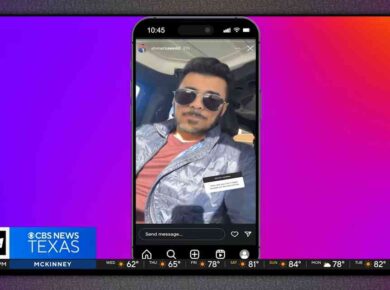

Celebrity crime rumors tend to capture attention for several overlapping reasons: fascination with public figures, the suspense of a mystery, and the vulnerability of real people behind the fame. In many cases, these rumors erupt on social platforms long before any official verification is possible. For fans and readers, the initial impulse is often to seek clarity. For influencers, however, the responsibility to provide accurate information becomes critical once a story enters a larger public sphere.
The anatomy of a viral rumor
Typically, a rumor starts with a fragment—a cryptic post, an anonymous tip, or a misinterpreted press item. As it moves from one platform to another, it accumulates details that may not be corroborated by credible sources. Sensational elements—murder, improvised plots, or illicit motives—are particularly prone to amplification because they provoke strong emotional reactions. The result can be a quickly spreading narrative that outpaces official channels of verification.
Why this matters to readers and creators
For readers, consuming unverified claims risks misinformation and the erosion of trust in media sources. For creators, repeating or
robbing the nuance from a developing story can unintentionally propagate harm toward real people and their families. InfluencersWiki’s community values accuracy, empathy, and responsible storytelling. We encourage everyone to prioritize official statements, verify with multiple reputable outlets, and contextualize information within a cautious timeline rather than jumping to conclusions.
How to verify a high-profile crime claim: a practical checklist
Verification is a process, not a moment. A disciplined approach protects you and your audience from premature conclusions. Use this checklist before sharing or commenting on any claim about a real person’s safety or whereabouts.
1) Seek official confirmation first
Always start with primary sources: police departments, sheriff’s offices, or official spokespersons. Look for press releases, verified social accounts, or statements from law enforcement that clearly address the situation. If an outlet cites an unnamed source or a rumor without an official quote, treat the information as unverified.
2) Cross-check with reputable outlets
Corroboration from established and reputable outlets adds credibility. Compare how multiple credible reporters describe the event and whether they reference the same verifiable facts. Be wary of outlets that rely on anonymous social posts or sensationalized language without explanation.
3) Analyze the timeline and the precision of details
Emerging stories often contain evolving details. Note what is confirmed (time, location, agency involved) and what remains speculative (motive, sequence of events, or suspects). When details shift, revisit the verification process before updating the audience.
4) Distinguish between commentary and factual reporting
Clear labeling matters. Separate your analysis or opinions from verified facts. Use explicit language like “unverified reports suggest” or “police have not yet confirmed” to avoid implying certainty where none exists.
5) Respect privacy and avoid sensational framing
Public interest is different from exploiting private grief. In coverage about real people, prioritize sensitivity, non-graphic language, and legal considerations. Respect families, victims, and those connected to the case, and avoid speculation about personal histories unless they are directly relevant and well-sourced.
6) Analyze the source’s reliability
Evaluate a source’s track record, transparency, and potential conflicts of interest. Is the outlet known for rigorous reporting and corrections, or does it routinely publish sensational content without verification? If a source is new to you, look for corroborating evidence from established outlets before treating claims as fact.
7) Keep a running note of what’s confirmed
Maintain a clear timeline in your coverage. Distinguish between what is confirmed and what remains rumor. This not only helps your audience but also protects you from later corrections or retractions that can undermine credibility.
Ethics, safety, and the responsibility of influencers
The InfluencersWiki community thrives on thoughtful discourse, transparency, and respect for individuals involved in any high-profile case. When rumors swirl, influencers have a unique obligation to curb sensationalism, avoid doxxing or harassment, and adhere to journalistic ethics even if they are not traditional reporters.
Ethical guidelines for discussing unverified claims
- Be precise with language: Use cautious terms like “unverified reports” or “reports indicate,” and avoid definitive phrasing until verified.
- Avoid naming individuals in speculative contexts: Refrain from implying guilt or motive without official confirmation.
- Credit sources honestly: Attribute information to credible outlets and link to primary statements when possible.
- Protect vulnerable parties: Do not amplify details about minors, families, or individuals with documented safety concerns.
The impact of social media culture on reporting
Social media often accelerates the spread of rumors, but it can also amplify misinformation just as quickly. Platform features—algorithmic recommendations, trending topics, and engagement metrics—can create feedback loops that distort the perception of an event. For influencers, understanding these dynamics helps in making responsible decisions about what to share, when to share, and how to frame a story so it doesn’t mislead or harm others.
Temporal context and the dynamics of breaking news
Timeliness is a double-edged sword in high-profile cases. On one side, audiences crave up-to-date information; on the other, premature reporting can cement inaccuracies in memory and search results. In the modern media ecosystem, the first version of a story is often recycled and republished with minor edits, which can entrench a narrative long after the facts are clarified. Practically, this means readers should approach initial reports with caution and look for subsequent corrections or updates from trustworthy sources.
What studies and industry observations tell us about trends
In recent years, researchers and journalists have highlighted a marked uptick in misinformation during major events. Common patterns include the rapid diffusion of unverified claims, the amplification of sensational details, and the prevalence of images or clips taken out of context. While this phenomenon poses challenges for accuracy, it also creates opportunities for responsible coverage: clear sourcing, careful language, and a commitment to corrections when new information emerges.
Practical strategies for responsible coverage in influencer communities
InfluencersWiki readers often bridge the gap between traditional journalism and fan-driven conversations. The following strategies help maintain credibility while engaging an enthusiastic audience.
1) Build content around verified facts, not rumors
Start with what is confirmed by official channels, then present context, and finally outline what remains unknown. This structure helps readers distinguish fact from speculation and reinforces trust in your outlet.
2) Use structured updates and errata sections
Publish regular, concise updates as new information becomes available. If errors occur, issue prompt corrections with transparent explanations, and reference the source of the revised information.
3) Foster a critical audience mindset
Encourage readers to verify information themselves by sharing tips on evaluating sources, recognizing sensational language, and assessing the credibility of outlets. Audience education strengthens community standards around responsible sharing.
4) Leverage expert commentary carefully
When possible, include insights from journalism ethicists, communications scholars, or legal experts who can clarify the boundaries between rumor, reporting, and speculation. This adds depth and authority to your coverage.
5) Avoid monetizing sensationalism
While high engagement is a common goal, avoid tactics that chase clicks at the expense of accuracy or empathy. Thoughtful, long-form pieces or explainers can outperform quick sensational posts when it comes to lasting trust.
Pros and cons of sensational coverage in influencer ecosystems
Understanding the trade-offs helps creators decide when and how to engage with high-stakes rumors.
Pros
- Immediate audience engagement and discussion opportunities
- Potential to steer conversations toward media literacy and verification practices
- Opportunities to collaborate with credible news outlets for deeper reporting
Cons
- Risk of spreading misinformation and damaging real people
- Potential legal exposure if claims are false or defamatory
- Loss of trust from audiences when corrections are required
Legal and safety considerations for reporting on high-profile cases
Legal pitfalls loom when reporting on crimes involving real people. Defamation laws vary by jurisdiction but share common protections for individuals against false statements that damage reputation. Journalists and influencers should be mindful of these risks, especially when dealing with unverified claims about crimes, suspects, or victims. If a claim could be defamatory, seek legal counsel, rely on official statements, and avoid speculative language about guilt or motives.
Additionally, safety concerns include protecting the privacy of family members, avoiding doxxing, and refraining from publishing allegations that could incite harassment. Responsible coverage respects boundaries and prioritizes the welfare of those affected by the case while informing the audience.
Conclusion: a balanced, evidence-based approach to high-profile crime rumors
In today’s digital information environment, fans and influencers must balance curiosity with caution. The responsible path is to verify, contextualize, and humanize the people involved, rather than sensationalize a narrative that lacks official corroboration. By prioritizing official statements, cross-checking sources, and labeling uncertainties clearly, you can foster a culture of thoughtful discourse within InfluencersWiki’s community. The goal is not merely to report what happens but to model the kind of responsible engagement that strengthens audience trust and supports healthier media ecosystems.
FAQ
Is there any confirmed information about Rob Reiner and Michele Reiner in this scenario?
As of now, readers should treat unverified rumors about any real person as unconfirmed. Official statements from law enforcement or trusted outlets are required before drawing conclusions about a crime or the involved individuals. This article uses a hypothetical case to discuss reporting ethics and does not assert verified facts about the Reiners.
What should I do if I encounter a post claiming a celebrity is involved in a crime?
Check for official statements from police or the celebrity’s representatives, look for corroboration from multiple reputable outlets, and avoid sharing speculative details. If you’re a creator, offer a cautious overview that distinguishes verified facts from speculation and provide resources for readers to follow ongoing developments responsibly.
How can influencers support responsible information sharing?
Influencers can set a tone of careful fact-checking, clearly label uncertainties, and correct any mistakes promptly. They can also educate their audiences about media literacy—how to spot misleading headlines, how to verify sources, and why official channels matter in sensitive cases.
What are practical steps to avoid amplifying misinformation?
Use precise language, refrain from naming individuals in unverified contexts, and avoid sensational framing. Publish updates only when new, verifiable information emerges, and provide a clear, documented trail of sources for readers to consult.
Where can readers go for reliable information updates?
Readers should monitor official police press rooms, statements from reputable news organizations, and reputable national or regional outlets that follow established verification standards. Fact-checking platforms and media literacy resources can also offer guidance on distinguishing fact from rumor.
What about the emotional impact on families and fans?
News involving real people’s safety can be distressing. Approach coverage with empathy, avoid salacious details, and provide resources for coping with overwhelming or disturbing news. Encourage constructive discussion and discourage harassment or sensational speculation that could harm those involved.

 InfluencerBlogger