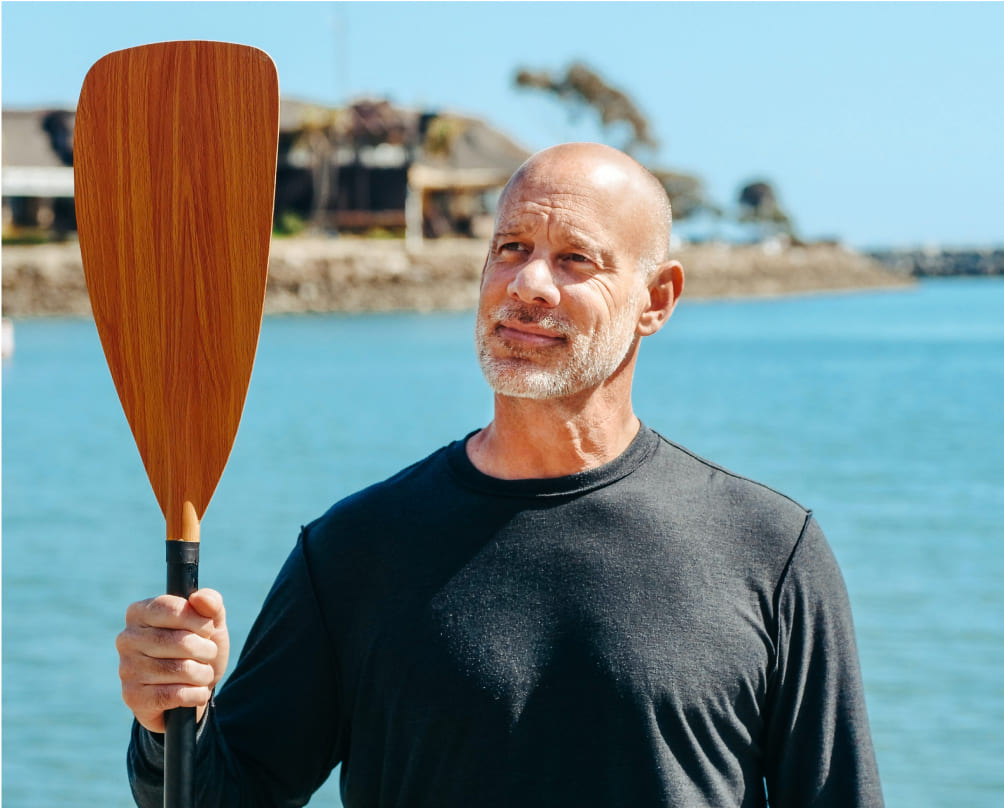

Chad Spodick first captured the attention of viewers as a contestant on “Finding Prince Charming,” a groundbreaking dating show hosted by NSYNC alum Lance Bass. Unlike traditional dating programs, this series featured a cast of single men vying for the affection of a single gay man. Chad, a charismatic figure with a compelling presence, made it to episode six of the inaugural season in 2016. During his time on the show, he openly discussed his personal struggles, particularly his challenges with trust, a vulnerability that resonated with some viewers. While he was among the final five contestants, Chad ultimately chose to leave the competition voluntarily, citing his personal journey and unresolved issues. He was 42 years old at the time of his passing.
The Impact of Reality Television on Mental Well-being
The landscape of modern entertainment is increasingly dominated by reality television. While these shows can offer a platform for individuals and a source of entertainment for millions, they also expose participants to unique forms of stress. The constant scrutiny, the pressure to perform, and the often-edited narratives can take a significant toll on mental health. For someone like Chad Spodick, who openly shared his trust issues, the intense environment of a reality dating show could have amplified these vulnerabilities. The journey on “Finding Prince Charming” was undoubtedly a complex one, navigating personal feelings alongside the demands of a television production.
Official Confirmation: A Suicide Ruling
The Boca Raton Police Department in Florida has officially ruled Chad Spodick’s death as a suicide. While specific details surrounding the circumstances remain private out of respect for the family, the confirmation of the manner of death by authorities marks a solemn and definitive conclusion to the speculation that followed his passing. The 911 audio obtained by TMZ revealed that Chad died by hanging in a backyard, and tragically, his mother discovered his body. This detail underscores the profound personal tragedy for his loved ones, adding an unimaginable layer of grief to their loss.
The Aftermath: Support and Remembrance
News of Chad’s death prompted an outpouring of grief from friends, family, and fans. A GoFundMe campaign was established to help cover funeral costs and to provide care for his five beloved pets, a testament to his compassionate nature and the deep connections he forged. A family friend, Kate Werbowski, shared a heartfelt message on the GoFundMe page, stating, “His passing was sudden and heartbreaking, and we are still struggling to comprehend a world without his light.” This sentiment reflects the void left by his absence and the shockwaves his death has sent through his community.
Understanding Suicide: The Silent Struggle
The confirmation of Chad Spodick’s death as suicide brings a critical issue to the forefront: the pervasive and often silent struggle with mental health challenges. Suicide is a complex public health issue, and understanding its contributing factors is vital for prevention and support. It’s rarely attributable to a single cause but rather a confluence of biological, psychological, and social factors. These can include underlying mental health conditions like depression, anxiety, or bipolar disorder, as well as significant life stressors, trauma, social isolation, and a lack of adequate support systems.
Signs and Symptoms: Recognizing When Someone Needs Help
Recognizing the signs of suicidal ideation is paramount. While not everyone who is suicidal will exhibit all of these, some common indicators include:
Talking about wanting to die or kill oneself: This can be direct or indirect, such as expressing a wish to not wake up.
Expressing feelings of hopelessness or having no reason to live: A pervasive sense of despair and a belief that things will not improve.
Talking about feeling like a burden to others: Believing that their death would be better for those around them.
Increased use of alcohol or drugs: Self-medicating to cope with emotional pain.
Withdrawal from friends, family, and activities: Isolating oneself and losing interest in previously enjoyed pursuits.
Dramatic mood swings: Experiencing intense emotional highs and lows.
Giving away prized possessions: A sign of preparing for their absence.
Unusual or impulsive behavior: Acting recklessly or out of character.
It’s crucial to remember that these are not definitive diagnoses but rather potential warning signs that warrant attention and concern.
The Importance of Seeking Help: Breaking the Stigma
One of the most significant barriers to suicide prevention is the persistent stigma surrounding mental health. Many individuals hesitate to seek help due to fear of judgment, shame, or misunderstanding. Chad Spodick’s story, tragically, highlights the devastating consequences of this silence. Open conversations about mental health, fostering environments of support, and normalizing the act of seeking professional help are essential steps in combating this stigma.
Resources for Support: You Are Not Alone
If you or someone you know is struggling with suicidal thoughts or mental health challenges, please know that help is available and you are not alone. Reaching out is a sign of strength, not weakness.
National Suicide Prevention Lifeline: Call or text 988 anytime in the US and Canada. In the UK, you can call 111. These services are free, confidential, and available 24/7.
Crisis Text Line: Text HOME to 741741 to connect with a crisis counselor.
The Trevor Project: Provides crisis intervention and suicide prevention services to LGBTQ young people under 25. Call 1-866-488-7386 or text START to 678-678.
NAMI (National Alliance on Mental Illness): Offers support, education, and advocacy for individuals and families affected by mental illness. Visit www.nami.org for resources.
These organizations are dedicated to providing immediate support and guidance during times of crisis.
Chad Spodick’s Legacy: More Than a Reality Star
While Chad Spodick is remembered by many for his brief but memorable appearance on “Finding Prince Charming,” his life was undoubtedly multifaceted. His struggles with trust issues, as he shared on the show, suggest a deeper personal journey. The fact that he was a beloved figure to his friends and family, who rallied to support his pets and funeral, speaks volumes about his character and the positive impact he had on those closest to him. The outpouring of grief emphasizes that he was more than just a contestant; he was a son, a friend, and an individual with his own unique experiences and challenges.
Reflecting on the Pressures of Fame
The “reality TV effect” is a well-documented phenomenon. Participants, often thrust into the spotlight overnight, can experience significant shifts in their daily lives. Public perception, online commentary, and the pressure to maintain a certain image can be overwhelming. For individuals who may already be navigating personal struggles, this heightened exposure can exacerbate existing vulnerabilities. It’s a stark reminder that behind the entertaining personas on screen, there are real people with real emotions and real challenges.
The Role of Media in Portraying Mental Health
The media plays a crucial role in how mental health is perceived and discussed. Sensationalizing or trivializing mental health issues can perpetuate stigma. Conversely, responsible and empathetic reporting, like that which aims to shed light on the complexities of suicide and the importance of seeking help, can be incredibly powerful. In the wake of Chad Spodick’s death, it is essential for media outlets to cover such stories with sensitivity and to prioritize providing resources for those in need.
Moving Forward: A Call for Compassion and Awareness
The tragic loss of Chad Spodick serves as a somber reminder of the importance of mental health awareness and the need for robust support systems. It urges us to foster a society where seeking help for mental health concerns is not only accepted but encouraged. By engaging in open conversations, practicing empathy, and actively supporting mental health initiatives, we can work towards a future where fewer individuals feel the need to suffer in silence.
The story of Chad Spodick is a heartbreaking chapter in the ongoing narrative of mental health challenges and the impact of public life. While his time in the public eye was brief, his passing has prompted a critical dialogue that is undeniably important. Let us honor his memory by continuing to advocate for mental wellness and by extending compassion to all those who may be struggling.
The “Finding Prince Charming” Alum’s Story: A Broader Context
Chad Spodick’s narrative, tragically ending in suicide, places him within a concerning broader context of public figures and reality television participants who have grappled with severe mental health issues. The pressures of rapid fame, coupled with the often-unfiltered scrutiny of social media and the public, can create a unique and potent cocktail of stressors. For individuals who may have pre-existing vulnerabilities, the transition from private life to public spectacle can be incredibly destabilizing. The fact that Chad had shared his trust issues on the show itself suggests he was a person wrestling with internal battles, making the intense spotlight of reality television an even more challenging environment.
Statistics on Suicide and Mental Health
The statistics surrounding suicide are sobering and underscore the urgency of addressing mental health on a societal level. According to the World Health Organization (WHO), approximately 700,000 people die by suicide globally each year, and for every completed suicide, there are many more people who attempt suicide or experience suicidal thoughts. In the United States, suicide is a leading cause of death, particularly among young adults and middle-aged men. These numbers are not just statistics; they represent individuals, families, and communities profoundly impacted by loss. The economic and social costs are also significant, but the human cost is immeasurable.
Pros and Cons of Reality Television for Participants
While the focus of this article is on the tragic outcome, it’s worth acknowledging the dual nature of reality television for participants.
Pros:
Platform for Exposure: For some, reality TV can launch careers in entertainment, business, or other fields.
Financial Opportunities: Participants may receive compensation for their time on the show, and successful appearances can lead to endorsements or other lucrative opportunities.
Personal Growth (Potentially): Facing challenges on camera can, for some, lead to self-discovery and personal growth.
Raising Awareness: Like Chad’s story, reality TV appearances can sometimes bring attention to important social issues, including mental health.
Cons:
Intense Scrutiny and Loss of Privacy: Participants are often subjected to intense public judgment and lose much of their privacy.
Mental Health Strain: The pressure to perform, edited narratives, and public backlash can significantly impact mental well-being.
Unrealistic Portrayals: Editing can create storylines that don’t accurately reflect a person’s true character or experiences, leading to misunderstandings and distress.
Difficulty Reintegrating: Returning to a normal life after the intensity of a reality show can be challenging.
Exploitation Concerns: Some critics argue that reality TV producers can exploit participants for ratings, sometimes at the expense of their well-being.
Chad Spodick’s experience, unfortunately, highlights the significant risks associated with the cons, particularly the mental health strain.
Conclusion: A Call to Action for Mental Wellness
The passing of Chad Spodick, a “Finding Prince Charming” alum, is a profound tragedy that compels us to reflect on the silent battles many face. His death, officially ruled a suicide by the Boca Raton Police Department, underscores the critical need for greater mental health awareness, open dialogue, and accessible support systems. While the spotlight of reality television can offer opportunities, it also presents immense pressures that can exacerbate underlying vulnerabilities.
Chad’s journey, though cut tragically short, serves as a poignant reminder that behind every public persona is an individual navigating their own complex reality. The GoFundMe established by his loved ones to support his pets and funeral expenses is a testament to the deep love and connection he inspired.
As we mourn his loss, let us commit to breaking down the stigma surrounding mental health. Let us encourage those who are struggling to reach out for help, knowing that resources like the 988 Suicide & Crisis Lifeline are readily available. Let us cultivate communities where empathy and understanding prevail, and where seeking support is viewed as an act of profound strength. Chad Spodick’s story, though heartbreaking, can serve as a catalyst for change, prompting us all to be more vigilant, more compassionate, and more proactive in supporting mental wellness for ourselves and for others.
Frequently Asked Questions (FAQ)
Q1: What was Chad Spodick known for?
A1: Chad Spodick was known for being a contestant on the 2016 reality dating show “Finding Prince Charming,” hosted by Lance Bass. He was among the final five contestants during his appearance on the show.
Q2: How did Chad Spodick die?
A2: The Boca Raton Police Department has officially ruled Chad Spodick’s death as a suicide.
Q3: When did Chad Spodick pass away?
A3: Chad Spodick passed away in the week leading up to the official confirmation of his death, which was reported around late September 2023. He was 42 years old.
Q4: Were there any specific reasons cited for Chad Spodick’s death?
A4: While authorities confirmed the manner of death as suicide, specific details have not been publicly released out of respect for the family’s privacy. During his time on “Finding Prince Charming,” Chad had openly discussed struggling with trust issues.
Q5: What support is available for people experiencing suicidal thoughts?
A5: If you or someone you know is struggling or in crisis, help is available. You can call or text 988 anytime in the US and Canada to connect with the Suicide & Crisis Lifeline, or chat online at 988lifeline.org. These services are free, confidential, and available 24/7.
Q6: How did the “Finding Prince Charming” cast and crew react to Chad Spodick’s death?
A6: News of Chad’s passing led to an outpouring of grief from friends, family, and his former castmates. A GoFundMe was created by a family friend to help with funeral expenses and the care of his pets.
Q7: Is reality television detrimental to mental health?
A7: Reality television can place significant mental health strain on participants due to intense scrutiny, edited narratives, and public pressure. While it can offer opportunities, the potential negative impact on mental well-being is a serious concern that requires careful consideration and support for those involved.


 InfluencerBlogger